

About
Periphery
Periphery begins with noticing how attention feels in the body when things slow way down. When the phone is out of reach. When breath deepens without trying too hard.
Periphery is a multi-sensory practice that invites attention to inner experience alongside relationship, with others, with place, and with the living world around us.
The practice is rooted in somatic awareness. It begins from the understanding that attention, regulation, and creativity live in the body. How we move, sense, pause, and orient matters.
Periphery is informed by Attention Restoration Theory (ART) and Stress Reduction Theory (SRT), which reflect what many of us feel intuitively: that time in natural environments, sensory engagement, and moments of wonder help the nervous system settle and support attention. Rather than aiming for insight or outcome, the work stays close to lived experience, sensation, rhythm, curiosity, and relationship.

What Periphery Can Look Like
Less scrolling. Real conversations.
Tactile mail. Ambling walks. Unhurried gatherings. Sunrises and sunsets. Moon gazing. Dirty boots. Pen to paper. Long-form music. Invigorating smells. New tastes. Explorational movement. Rest without guilt. Play.
About Felicity
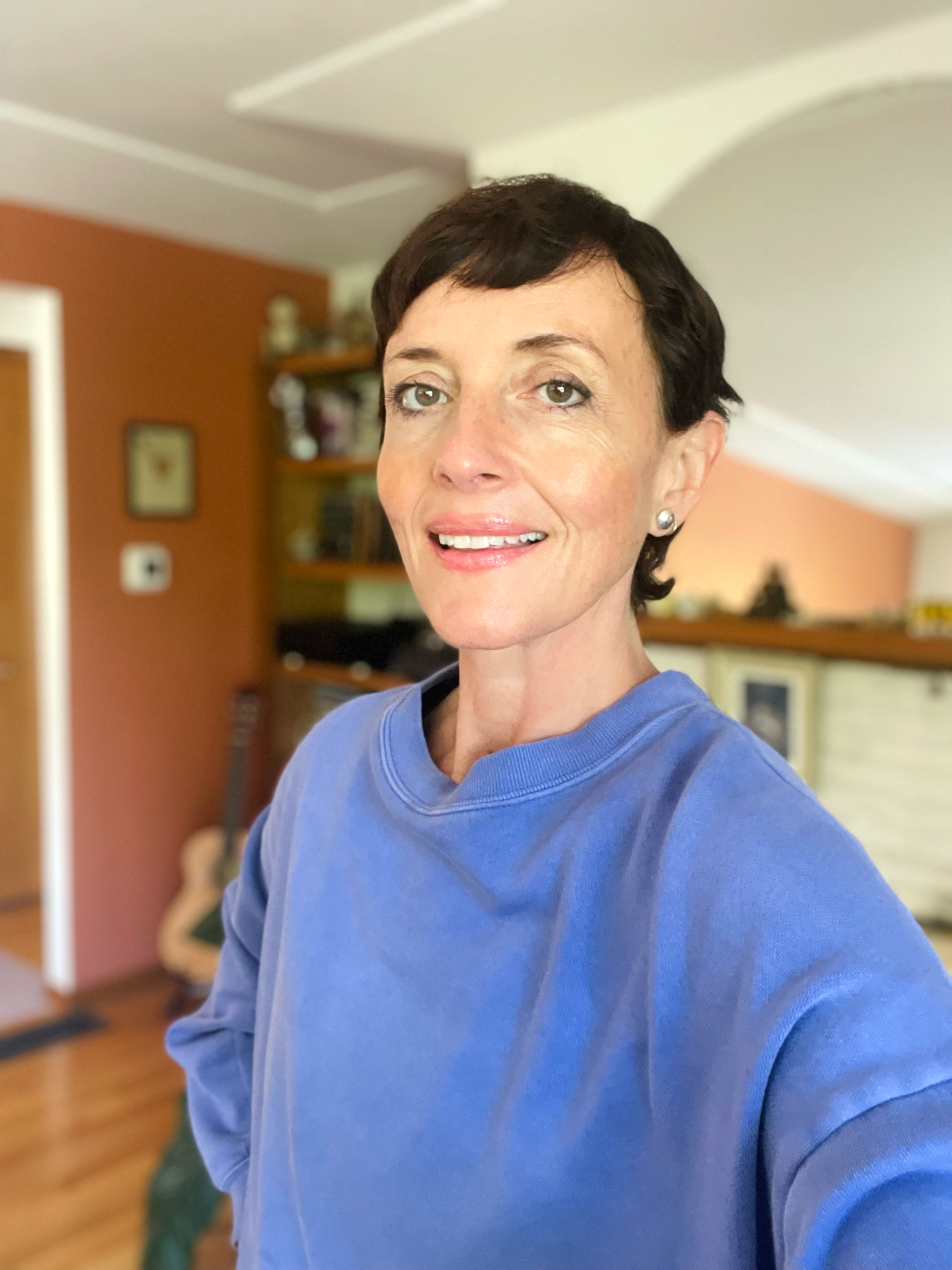
I’m Felicity Fenton (she/they) — a multidisciplinary artist, writer, and somatic practitioner, curious about how bodies, creativity, attention, and care converge in everyday life.
For over twenty years, my work has moved between creative practice and digital culture. I’ve spent much of my professional life working as a creative lead in tech and digital media, designing experiences meant to be engaging, intuitive, and human-centered. At the same time, my personal and artistic life has been shaped by embodied practices, by meditation, Reiki, yoga, improvisational dance, music, writing, and visual art, places where attention lives in the body, not on a screen.
That tension eventually became a question I couldn’t ignore: What is constant connectivity/scrolling doing to our bodies, our creativity, the environment, our relationships, and our capacity to listen? That inquiry led to my book User Not Found, a lyric essay tracing my attempts to loosen the internet’s grip on my body and creative life. Writing it made clear that this wasn’t all about rejecting technology, but about learning how to be in balance with it.
My academic path grew alongside those questions. I studied social and relational art practice through an MFA at Goddard College, where collaboration and non-hierarchical process shaped how I think about relationships and connection. I’m currently completing a Master’s degree in Clinical Mental Health Counseling at Prescott College, a program grounded in social justice and nature-informed approaches. I’m also certified in somatic practice through the Somatic Intuitive Healing Institute in Portland, Oregon.
Somatic work is central to Periphery. It influences the pace, the emphasis on consent and choice, and the way attention is gently guided back to sensation, rhythm, and relationship. This work is about listening to the body, to the environment, and to what’s already present.
Years ago, my graduate work took me to a small farm in Los Lagos, Chile. Stepping away from constant connectivity and into the daily rhythms of land and body quietly rearranged my relationship to creativity and care. Periphery grew out of that experience and out of years spent navigating both the digital world and my own embodied one, as a practice of balance, not withdrawal.
My facilitation style is collaborative and non-hierarchical. I approach this work with humility and ongoing unlearning, and with respect for Indigenous and historically marginalized ways of knowing. Above all, I aim to create spaces that feel relational, responsive, and spacious enough for different bodies, paces, and ways of engaging.
Let’s Talk
Use the form below to get in touch about Periphery offerings or collaboration.